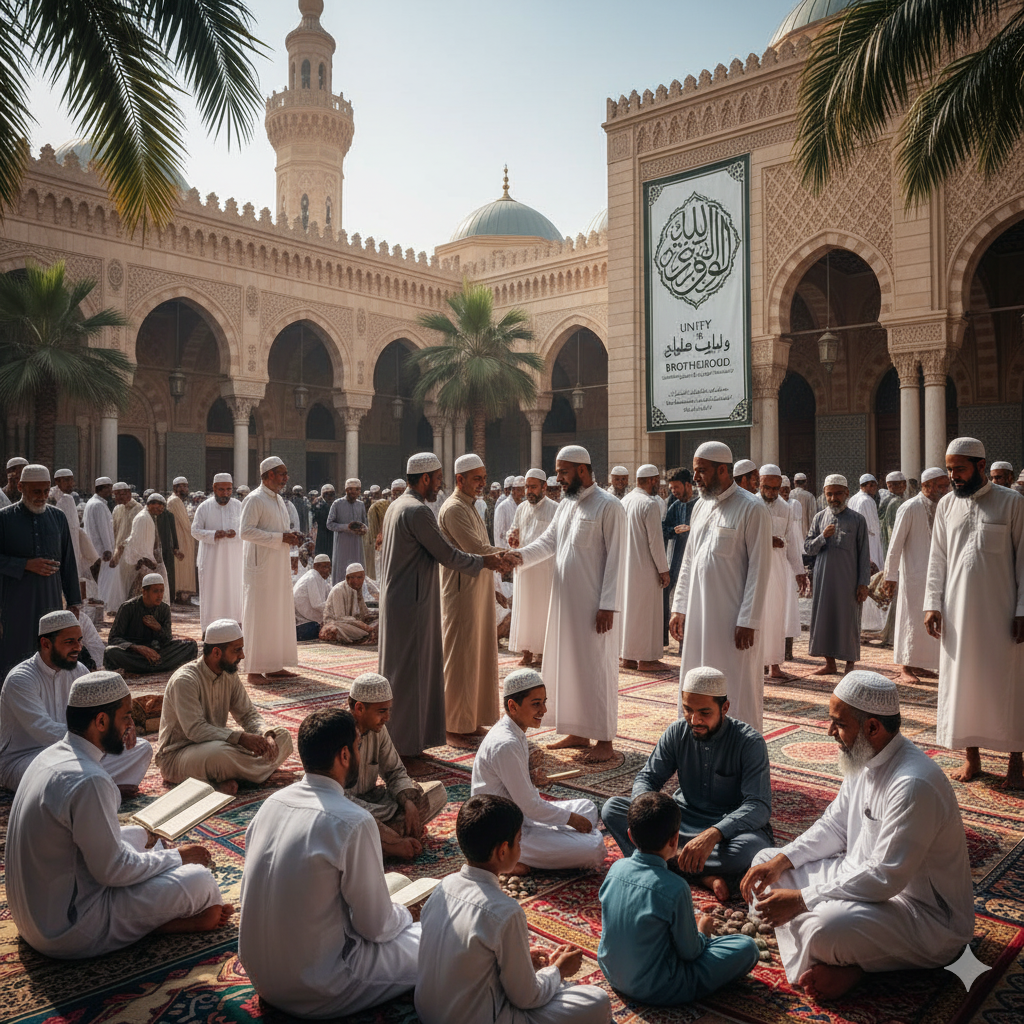
Building Stronger Muslim Communities Through Halal Games
In an era where digital isolation often replaces genuine human connection, the Muslim community faces unique challenges in maintaining strong social bonds. Halal games offer a powerful solution, serving as bridges that connect hearts while upholding Islamic values. These shared experiences create the foundation for vibrant, resilient communities rooted in faith and mutual support.
The Social Fabric of Muslim Communities
Strong communities don't happen by accident—they're built through intentional interactions that foster trust, understanding, and shared identity. Games provide the perfect framework for these connections to flourish. When designed with Islamic principles, they become more than just entertainment; they transform into tools for community development.
Our Halal Spin the Bottle game exemplifies how traditional social activities can be adapted to strengthen Muslim bonds while maintaining appropriate boundaries. By creating safe spaces for interaction, we facilitate the brotherhood and sisterhood that Islam emphasizes.
"The believers in their mutual kindness, compassion, and sympathy are like one body. When one of the limbs suffers, the whole body responds to it with wakefulness and fever." - Prophet Muhammad (PBUH)
How Halal Games Strengthen Community Bonds
Games serve as social catalysts that break down barriers and create meaningful connections. Here's how halal games specifically contribute to community building:
1. Creating Shared Experiences
Shared laughter and collaborative challenges create lasting memories that bind people together. These positive experiences form the emotional foundation of strong communities, making members feel connected to something larger than themselves.
2. Breaking Down Social Barriers
Games provide neutral ground where people of different ages, backgrounds, and social status can interact as equals. This levels the playing field and encourages authentic connections that might not occur in more formal settings.
3. Fostering Intergenerational Connections
Well-designed halal games bridge generation gaps, allowing youth and elders to connect through shared activities. This transmission of wisdom and energy benefits the entire community and preserves cultural and religious knowledge.
4. Developing Communication Skills
Games naturally encourage conversation, active listening, and cooperation—essential skills for maintaining healthy community relationships. These interactions practice the Islamic etiquette of speech and kindness.
Practical Applications in Community Settings
Implementing halal games in various community contexts can yield significant benefits. Consider these applications:
- Mosque Gatherings: Icebreaker games before lectures or events help newcomers feel welcome
- Family Events: Multi-generational games strengthen family bonds across age groups
- Youth Programs: Engaging games make Islamic learning enjoyable and relevant
- Eid Celebrations: Community-wide games create festive, inclusive atmospheres
- New Muslim Support: Games help integrate converts into the community naturally
- Inter-Masjid Events: Friendly competitions build connections between different Muslim communities
The Role of Halal Games in Community Resilience
Strong communities are resilient communities. When challenges arise—whether internal conflicts or external pressures—the social capital built through positive interactions provides the foundation for working together effectively. Halal games contribute to this resilience by:
- Creating networks of trust and mutual support
- Developing conflict resolution skills through cooperative gameplay
- Building emotional bonds that withstand disagreements
- Fostering a sense of collective identity and purpose
- Providing healthy outlets for stress and tension
Implementing a Community Game Strategy
Building stronger communities through games requires intentional planning. Here's a framework for success:
1. Assess Community Needs
Identify specific challenges your community faces—integration of new members, youth engagement, or intergenerational connection—and select games that address these needs.
2. Create Safe, Inclusive Environments
Ensure game settings respect Islamic boundaries while welcoming diverse participants. Consider separate spaces for brothers and sisters when appropriate.
3. Train Game Facilitators
Develop community members who can skillfully guide games to maximize positive outcomes and minimize potential discomfort.
4. Gather Feedback and Adapt
Regularly assess what's working and make adjustments based on community input and observed outcomes.
Success Stories: Communities Transformed Through Play
Across the Muslim world, communities are rediscovering the power of halal games. From Toronto to Jakarta, mosques and Islamic centers report increased attendance, stronger bonds, and more vibrant social atmospheres after incorporating regular game nights and activities. These success stories demonstrate that when faith and fun combine, communities flourish.
The journey toward stronger Muslim communities begins with simple steps: gathering people together, sharing laughter, and building connections through halal entertainment. By intentionally using games as community-building tools, we fulfill the Islamic imperative of strengthening the bonds of brotherhood and sisterhood while creating environments where faith can thrive.